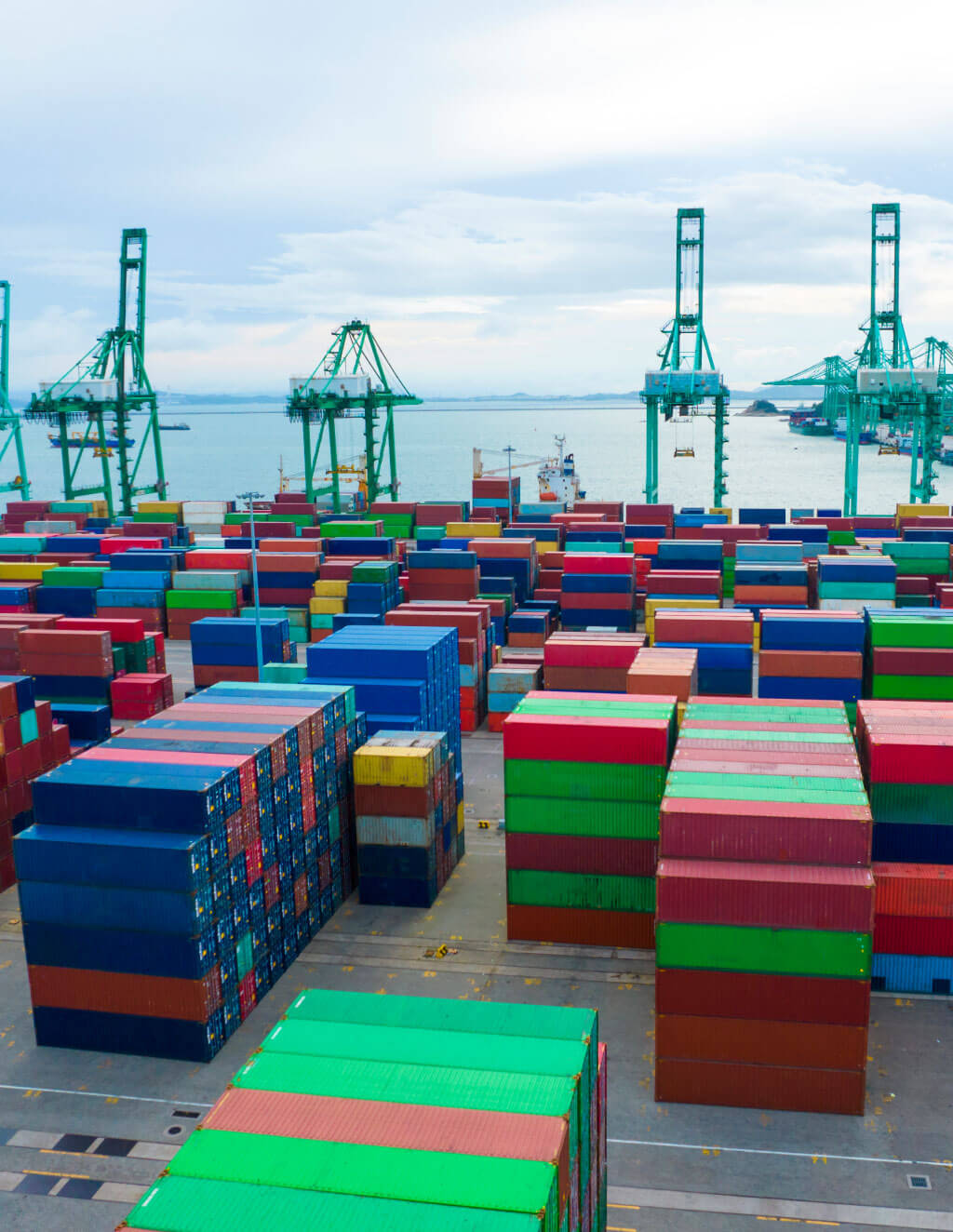
Transporting goods from one location to another, such as moving merchandise from a warehouse to a customer, is known as shipping. An independent shipping or logistics company will control the shipping process after the manufacturing and packing of goods.
What does FCL mean in shipping?
Cargo shipping is known to have FCL and LCL shipping options. The FCL (Full Container Load) refers to shipments in which all of the goods inside the container belong to one party. In global shipping, an FCL refers to a container that is reserved by a shipper specifically for carrying only his cargo. Shippers are not required to share containers with other shippers. Additionally, it also simplifies the management of the ocean freight logistics. A container is loaded onto a cargo ship at the port after it has been loaded.
Every major port in the world has fixed departures and arrivals from shipping companies. Shipping lines guarantee shipper control and oversight of the entire cargo, which helps to reduce the risks of damage or loss when shipping FCL cargo.
What does LCL mean in shipping?
LCL (Less than Container Load), however, involves the shipment of goods by multiple shipping companies. A small ocean freight shipment does not require a full container. The term is used to describe these kinds of shipments. LCL is an effective and flexible option when transporting smaller shipments between world ports. The method can be used to ship everything from small parcels to huge shipments.
As soon as your goods are ready, they can be transported immediately, rather than having to wait until the container is filled. It is important to remember that with LCL you cannot decide what other types of cargo you’ll be sharing the container with. Furthermore, delays may occur outside your control, since the container is being used by multiple parties.
How to choose between FCL and LCL?
There are four main factors to consider when deciding between LCL and FCL: volume, cost, safety, and necessity. When you are shipping products larger than 10 CBM, you may want to consider FCL. If you are shipping low volumes, however, LCL is more likely to be your best option. Whenever the volume seems close enough to cause confusion, you should consider the cost next.
In view of the fact that LCL costs can escalate very quickly when your goods take up significantly more space, FCL may be a more cost-effective option. You should choose FCL if you are concerned about security and protection against mismanagement. Also, you should consider doing this if you have no flexible delivery dates, and you want the goods delivered by the most convenient time.