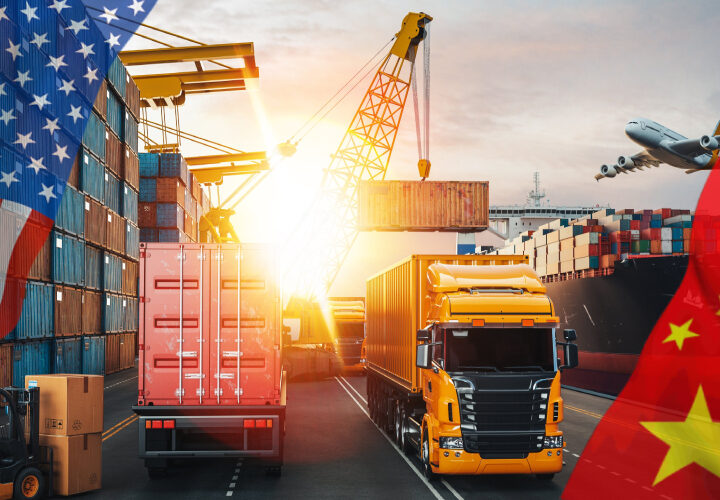
“Logistics is the science of process optimization and the art of finding the best solution for every challenge.” – Elon Musk
Introduction
Cargo terminals and distribution centers are the unsung heroes of the global supply chain, working tirelessly behind the scenes to ensure the efficient movement of goods. These facilities play a vital role in handling, storing, sorting, and distributing cargo across various modes of transportation, connecting manufacturers, suppliers, and consumers worldwide. In this article, we will delve into the inner workings of cargo terminals and distribution centers, shedding light on their significance and the crucial tasks they perform.
From bustling seaport terminals to busy airport cargo hubs and railway terminals, each facility has its unique operations and infrastructure tailored to its specific mode of transportation. Understanding the functions and operations of these terminals is essential to comprehend the complexities involved in the logistics and transportation industry. Furthermore, distribution centers act as the final link in the supply chain, ensuring that goods reach their intended destinations efficiently and on time.
Understanding Cargo Terminals
Cargo terminals serve as vital hubs in the global supply chain, facilitating the movement of goods across various modes of transportation. These facilities play a crucial role in efficiently handling, sorting, storing, and processing cargo, ensuring its smooth transition from origin to destination. By understanding the functions and operations of cargo terminals, we can gain insights into the complexities of logistics and the pivotal role they play in the global economy.
Cargo terminals encompass a wide range of facilities, including seaport terminals, airport cargo terminals, and railway cargo terminals. Each type of terminal is tailored to its specific mode of transportation, accommodating the unique requirements and characteristics associated with it. Despite their differences, these terminals share common objectives: to enable efficient cargo flow, streamline operations, and facilitate timely deliveries.
Seaport terminals serve as crucial gateways for international trade and maritime transportation. They handle vast volumes of cargo, ranging from containers to bulk commodities. Seaport terminals are equipped with berths, quays, and container yards to accommodate cargo vessels of different sizes. These terminals provide essential services such as vessel loading and unloading, container handling, and customs clearance. Technological advancements have transformed seaport operations, with sophisticated tracking systems and automated equipment enhancing efficiency and reducing turnaround times.
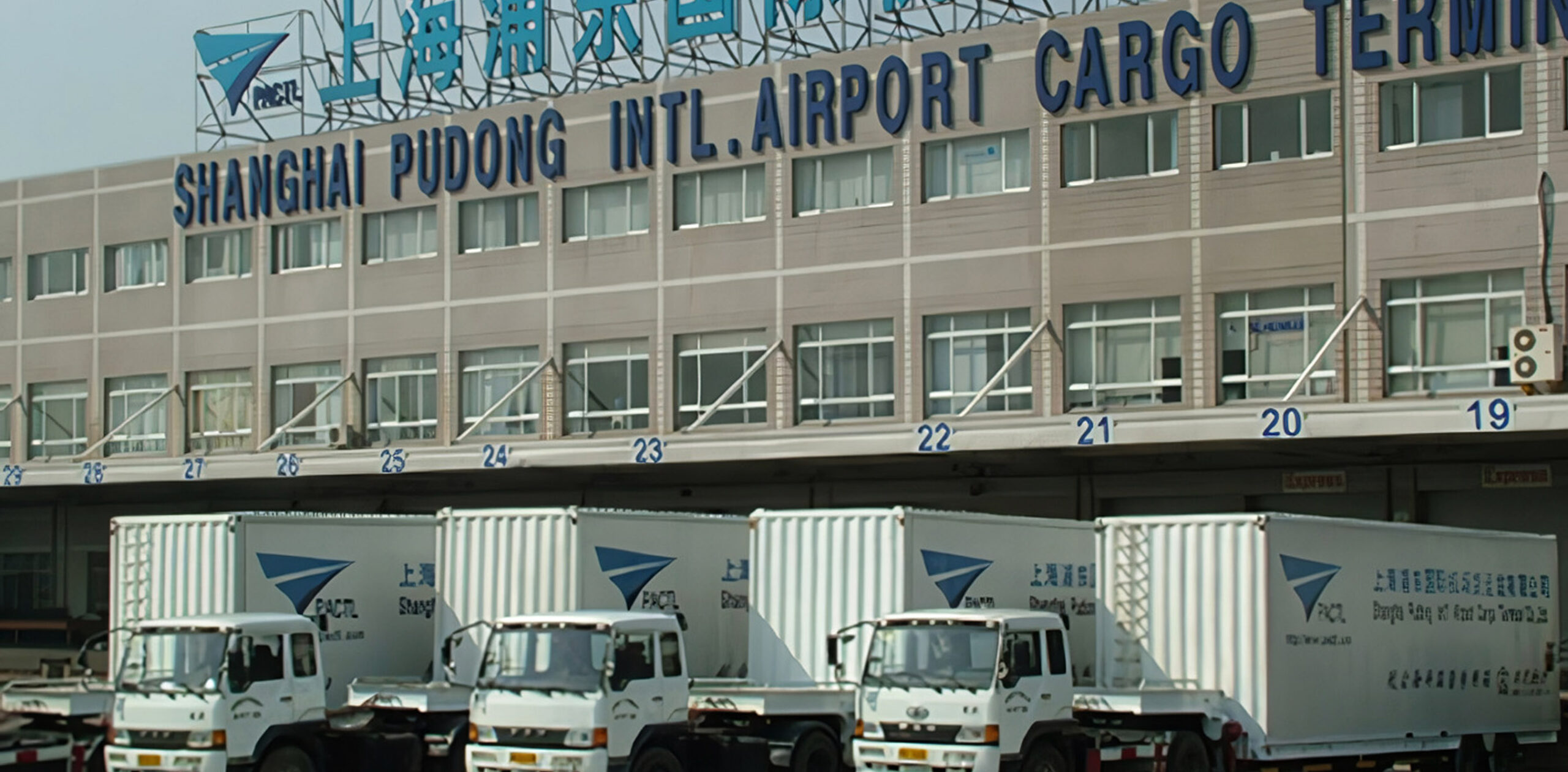
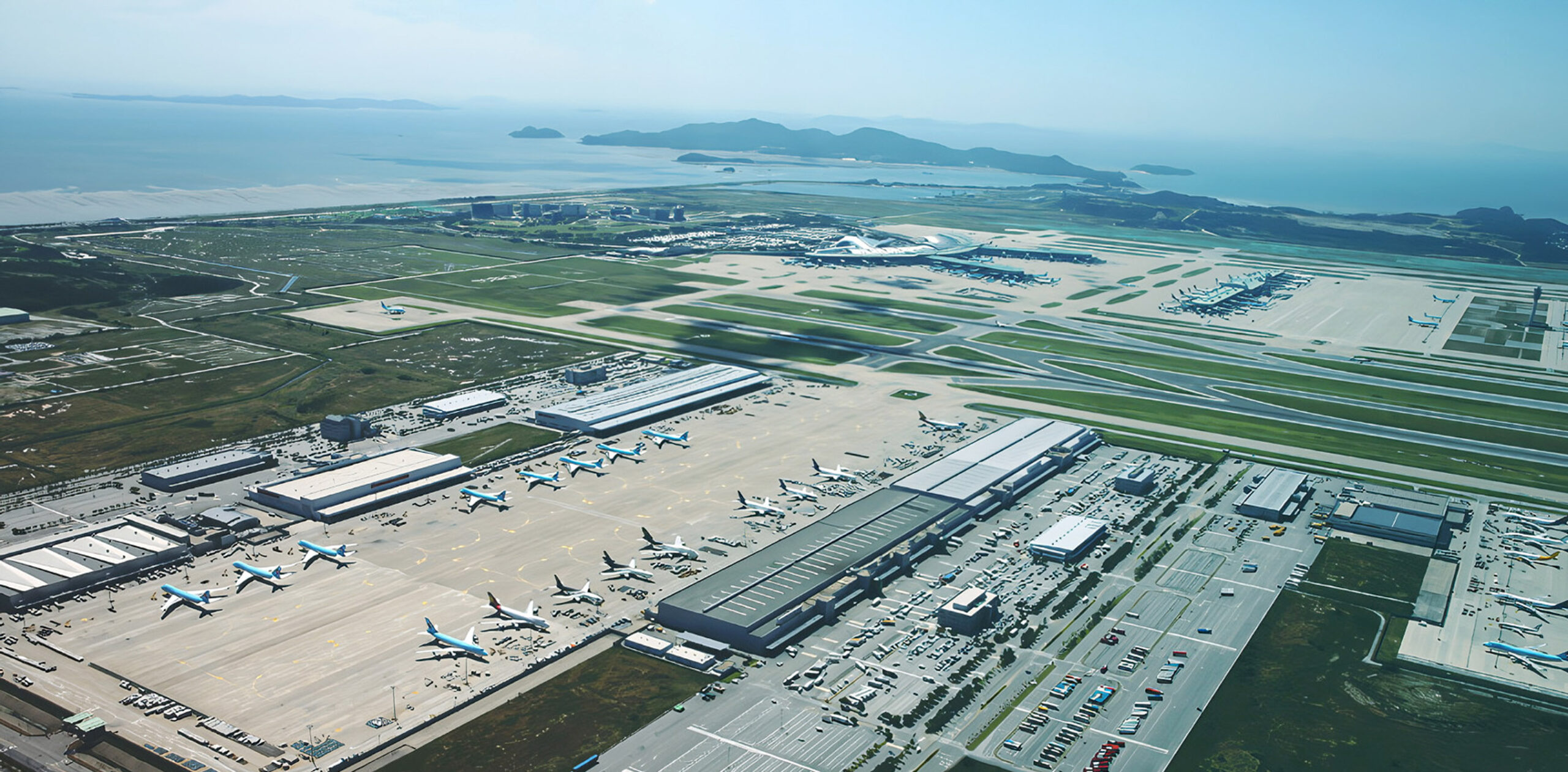
Airport cargo terminals are specialized facilities designed to handle air freight and express shipments. These terminals are equipped with cargo handling areas, warehouses, and customs facilities. They play a vital role in supporting time-sensitive cargo, perishable goods, and high-value shipments. Airport cargo terminals follow strict security protocols to ensure the safety and integrity of the transported goods. With the rapid growth of e-commerce and global trade, airport cargo terminals have become essential nodes in the supply chain, connecting manufacturers, suppliers, and consumers worldwide.
Railway cargo terminals serve as pivotal points for the transportation of goods by rail. These terminals encompass rail yards, container terminals, and intermodal facilities, enabling seamless interchange between trains, trucks, and ships. Railway cargo terminals are strategically located to connect manufacturing hubs, seaports, and distribution centers. They play a crucial role in facilitating the efficient movement of bulk commodities, containerized goods, and intermodal shipments. The integration of technology, such as RFID tracking systems and advanced logistics software, enhances operational efficiency and ensures accurate tracking and tracing of cargo.
Efficient operations within cargo terminals are essential for the smooth flow of goods and timely deliveries. These facilities employ skilled labor, specialized equipment, and advanced technology to handle cargo efficiently. Additionally, customs clearance procedures are crucial to comply with regulations and facilitate the movement of goods across borders.
By understanding the functions and operations of cargo terminals, we gain a deeper appreciation for the intricate logistics network that supports global trade. The efficient flow of goods through these terminals ensures the availability of products in our markets, supports economic growth, and fosters international cooperation.
Exploring Seaport Terminals
Seaport terminals play a vital role in facilitating international trade and maritime transportation, serving as key gateways for the movement of goods across continents. These bustling facilities handle a wide array of cargo, ranging from containers to bulk commodities, and are crucial nodes in the global supply chain.
Infrastructure of Seaport Terminals
Seaport terminals are designed with specific infrastructure to accommodate the unique requirements of maritime transportation. They feature berths, quays, container yards, and warehouses, all strategically located along coastlines to maximize accessibility for vessels.
Berths and Quays
These are designated areas where cargo vessels dock for loading and unloading operations. Berths are typically equipped with docking facilities and shore cranes to facilitate the transfer of cargo between ships and the terminal.
Container Yards
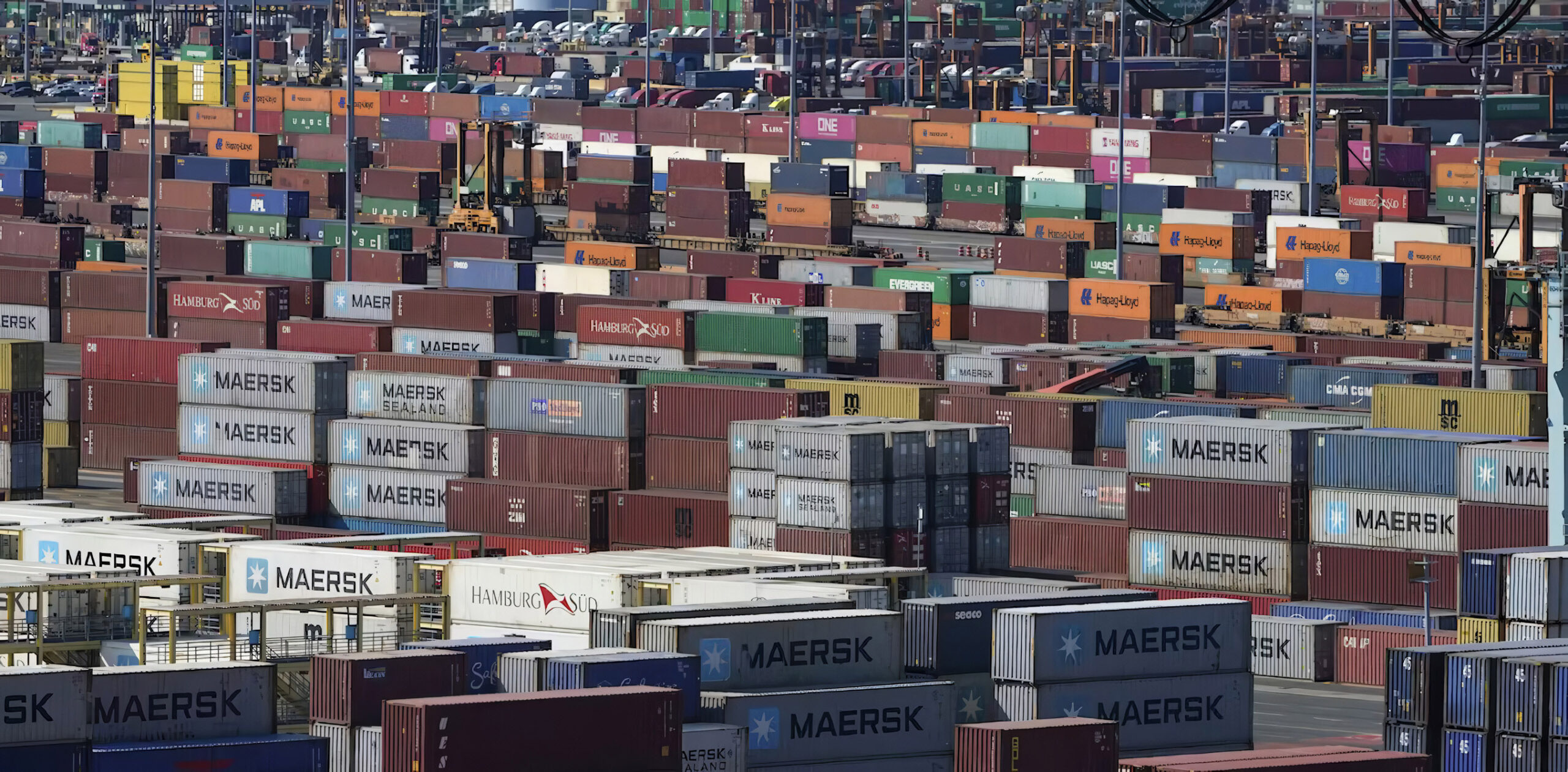
Seaport terminals have expansive container yards where containers are stored, sorted, and stacked. These yards are meticulously organized to efficiently handle the large volumes of containers transiting through the terminal. Modern seaport terminals utilize advanced systems, such as automated stacking cranes and container tracking technologies, to optimize the management of containers within the yard.
Warehousing Facilities
Seaport terminals often have warehouses and storage facilities adjacent to the container yards. These warehouses cater to specific cargo types, providing temporary storage, consolidation, and deconsolidation services. They are crucial for handling goods that require special handling or are destined for nearby distribution centers.
Operations at Seaport Terminals
Seaport terminals are bustling hubs of activity, with a range of operations focused on handling and processing cargo efficiently. The key operations at seaport terminals include:
Vessel Loading and Unloading
Seaport terminals handle the loading and unloading of cargo vessels, employing specialized equipment such as cranes and gantries to transfer containers and other cargo between ships and the terminal. This process requires skilled operators and adherence to strict safety protocols to ensure efficient and safe cargo handling.
Container Handling
Seaport terminals are known for their expertise in container handling. Containers are unloaded from ships, transported within the terminal using specialized container handling equipment such as reach stackers or straddle carriers, and then loaded onto trucks or trains for onward transportation.
Container Tracking Systems
To ensure visibility and traceability of containers, seaport terminals employ advanced tracking systems. These systems utilize technologies such as Radio Frequency Identification (RFID) and GPS tracking to monitor the movement of containers throughout the terminal, enabling accurate tracking and efficient coordination of cargo.
Customs Clearance
Seaport terminals facilitate customs clearance processes, ensuring compliance with international trade regulations and customs procedures. This includes inspections, document verification, and coordination with customs authorities to expedite the release of cargo.
Technological Advancements in Seaport Terminals
Seaport terminals have embraced technological advancements to enhance efficiency and improve overall operations. Some notable advancements include:
Automated Container Handling
Many seaport terminals have implemented automated container handling systems, including automated stacking cranes, automated guided vehicles (AGVs), and robotic systems. These technologies streamline container movements, improve productivity, and reduce human error.
Port Community Systems (PCS)
PCS is a digital platform that integrates various stakeholders within the port ecosystem, including shipping lines, customs authorities, terminal operators, and logistics providers. It facilitates seamless information exchange, enhances coordination, and improves overall efficiency within seaport terminals.
Advanced Analytics and Predictive Technologies
Seaport terminals utilize data analytics and predictive technologies to optimize operations. By analyzing historical data, they can forecast cargo volumes, predict equipment maintenance needs, and make informed decisions to improve resource allocation and minimize disruptions.
“Supply chain efficiency and customer satisfaction go hand in hand. A well-managed logistics network is the key to achieving both.” – Mary Barra, Chief Executive Officer of General Motors
Distribution Centers: The Final Link
In the complex web of the supply chain, distribution centers act as the final link that bridges the gap between manufacturers and consumers. These facilities play a crucial role in the efficient storage, management, and distribution of goods, ensuring that products reach their intended destinations in a timely and organized manner.
The Role of Distribution Centers
Distribution centers, also known as warehouses or fulfillment centers, serve as strategic hubs for inventory management and order fulfillment. They are strategically located to optimize the distribution of goods to various regions, cities, and retail outlets. Distribution centers play a pivotal role in meeting customer demands by enabling efficient and effective supply chain operations.
Inventory Management
One of the primary functions of distribution centers is to manage inventory effectively. These facilities receive, store, and track products from multiple suppliers or manufacturing locations. Distribution centers employ advanced inventory management systems, including barcode scanning, RFID technology, and warehouse management software, to ensure accurate inventory control, real-time visibility, and efficient stock replenishment.
Order Fulfillment
Distribution centers are responsible for fulfilling customer orders in a timely and accurate manner. They receive customer orders through various channels, such as e-commerce platforms, retail stores, or direct sales. Distribution center teams pick, pack, and ship the ordered items, ensuring that the correct products are packaged, labeled, and dispatched to the designated destinations. Timely order fulfillment is critical for customer satisfaction and maintaining a competitive edge in the market.
Cross-Docking
Cross-docking is a process commonly employed in distribution centers to streamline the flow of goods and minimize inventory storage. In cross-docking operations, incoming shipments are unloaded from inbound transportation vehicles and immediately sorted and loaded onto outbound transportation vehicles for onward delivery. This eliminates the need for long-term storage, reducing handling costs and improving the speed of order fulfillment.
Value-Added Services
Distribution centers often provide value-added services to meet specific customer requirements. These services may include product customization, labeling, packaging, kitting, and assembly. Value-added services help enhance the competitiveness of businesses by offering tailored solutions and reducing the time and effort required for additional processing.
Efficiency and Technology
Efficiency is a key focus in distribution centers. To optimize operations, these facilities utilize advanced technologies and automation. Automated storage and retrieval systems (AS/RS), conveyor systems, robotics, and pick-and-pack automation contribute to increased productivity, reduced labor costs, and improved accuracy in order fulfillment. Additionally, distribution centers leverage data analytics and machine learning to forecast demand, improve inventory management, and optimize distribution routes.
Sustainability and Green Initiatives
Distribution centers are increasingly embracing sustainability practices and implementing green initiatives. These initiatives include energy-efficient lighting, solar power generation, waste management, recycling programs, and the use of eco-friendly packaging materials. By reducing their environmental footprint, distribution centers contribute to sustainable supply chain practices and demonstrate corporate social responsibility.

Conclusion
In this article, we have taken a behind-the-scenes look at the intricate world of cargo terminals and distribution centers, uncovering their essential role in the global supply chain. We have explored the infrastructure, operations, and technologies that drive these crucial components of the logistics industry.
The interplay between cargo terminals and distribution centers forms the backbone of the logistics industry, enabling the efficient movement and distribution of goods worldwide. By embracing technological advancements, implementing sustainable practices, and continually improving operational efficiency, these facilities contribute to the success of businesses, enhance customer satisfaction, and support the growth of global commerce.