
I. Introduction
“Cargo transportation from China to the USA embodies the spirit of globalisation, showcasing the seamless exchange of goods that brings the world closer together.” – Christine Lagarde, President of the European Central Bank
The transportation of goods from manufacturing hubs in China to consumers in the United States is a multifaceted and crucial undertaking that forms the backbone of global trade. In an era characterised by unparalleled levels of interconnectivity and digital advancements, the monitoring of goods via trucking has assumed immense significance for businesses, policymakers, and individuals alike.

The proliferation of e-commerce has played a pivotal role in shaping the landscape of shipping between China and the United States. The realm of online retail has witnessed exponential growth, driven by the convenience and affordability it offers to consumers. As an increasing number of people opt for digital platforms to fulfil their shopping needs, the demand for efficient and dependable shipping services has experienced a surge. This upswing in online retail has had a profound impact on shipping volumes, necessitating fresh approaches and strategies to meet the evolving expectations of consumers.
Furthermore, China’s standing as a preeminent manufacturing hub and the United States’ position as a significant consumer market foster a symbiotic relationship wherein the smooth flow of goods assumes paramount importance for economic progress. The partnership between these two economic powerhouses is progressively dynamic, driven by the emergence of e-commerce and the shifting demands of consumers.
Furthermore, we will examine the pivotal role played by ports and customs in facilitating the seamless movement of goods, in addition to the critical aspects of supply chain management required to ensure punctual and dependable delivery. Moreover, we will investigate the challenges and strategies associated with last-mile delivery and distribution, wherein the final stage of delivery occurs, culminating in the receipt of orders by consumers.
Lastly, we will discuss the challenges inherent in trucking between China and the United States, forecast future trends, and identify opportunities for innovation and growth. By attaining a comprehensive understanding of this intricate process, we will be equipped to adapt to evolving demands and strive towards a trucking ecosystem that is more efficient, sustainable, and resilient.
II. Manufacturing Hubs in China
“The journey of goods from manufacturing hubs to consumers is a testament to the power of global trade and the interconnectedness of nations.” – Jack Ma, Co-founder of Alibaba Group
A. Overview of China’s Role as a Global Manufacturing Powerhouse
Several key factors contribute to China’s manufacturing success.
- Firstly, the country has a strong infrastructure that supports efficient production processes. Modern factories equipped with advanced technology enable large-scale production while maintaining high-quality standards.
- Secondly, China benefits from a vast pool of skilled workers. Through comprehensive education systems, vocational training programs, and ongoing skill development initiatives, the country has cultivated a highly capable workforce that meets the diverse demands of global markets.
B. Examination of Key Manufacturing Hubs and Their Significance in the Production of Goods
China strategically positions its manufacturing centres across different regions of the country, each with its own specialisation and valuable contribution to specific industries. These centres form vibrant ecosystems, bringing together manufacturers, suppliers, and supporting industries to foster efficient production and streamlined supply chain operations.
Notable manufacturing hubs in China include Guangdong, Zhejiang, Jiangsu, and Shandong provinces. Located in the south, Guangdong excels in electronics, textiles, and automobile manufacturing. Zhejiang, situated on the east coast, specialises in machinery, textiles, and consumer goods. Jiangsu stands out as a hub for high-tech industries such as information technology, biotechnology, and pharmaceuticals. Shandong, with its abundant agricultural resources, focuses on food production, chemicals, and heavy machinery.
These manufacturing centres exemplify China’s impressive capability to meet global demand by producing a diverse array of products. From electronics and textiles to machinery, automobiles, and consumer goods, China’s manufacturing sector has achieved remarkable heights. The concentration of expertise, resources, and infrastructure in these centres has firmly established China as an integral part of the global supply chain.
III. Export and Logistics
“The seamless flow of goods in cargo transportation is a key driver of economic growth and prosperity, enabling the exchange of products and ideas between nations.” – Satya Nadella, CEO of Microsoft
A. Process of Exporting Goods from China
Exporting goods from China entails a streamlined process that guarantees the smooth flow of products from manufacturing centres to international markets. The export journey commences with the completion of essential documentation, such as commercial invoices, packing lists, and customs declarations. These documents provide crucial information about the exported goods, including their value and intended destination.
With all the necessary paperwork in place, the goods are meticulously prepared for shipment. Manufacturers take great care in packaging the products to ensure their protection throughout the transportation process. Depending on the nature of the goods and their intended destination, various modes of transportation are employed, including air, sea, and land.
B. Role of Logistics in the Transportation Chain
Logistics plays a vital role in the transportation process, ensuring the seamless movement of goods from production centres to customers. It encompasses a diverse array of activities, including transportation, warehousing, inventory management, and order fulfilment. Efficient logistics management is essential to guarantee the prompt and cost-effective delivery of goods to their intended destinations.
When it comes to shipping goods from China to the United States, logistics companies assume a critical position in coordinating and overseeing the transportation of goods across extensive distances. Leveraging their expertise in international shipping, customs regulations, and transportation networks, these companies optimise the supply chain to ensure the timely delivery of goods.
C. Overview of Transportation Modes: Air, Sea, and Land
China and the United States enjoy a reliable transportation infrastructure that facilitates the efficient movement of goods between the two countries. Various modes of transportation are utilized to transport goods from China to the United States, taking into consideration factors such as the nature of the product, cost considerations, and delivery time requirements.
Air transport offers the advantage of speed, making it particularly suitable for time-sensitive shipments and high-value goods. Air freight services connect major airports in China and the United States, ensuring swift delivery and reducing transit times.
On the other hand, maritime transport is commonly employed for bulk and large shipments. Goods are loaded into maritime containers and transported via established maritime routes connecting major Chinese ports with ports in the United States. Maritime transportation provides a cost-effective option for transporting goods over long distances.
For domestic or regional transportation within China and the United States, land transportation, primarily in the form of freight, plays a crucial role. It serves as a vital link between production centers and ports or airports, facilitating the seamless transfer of goods between different modes of transportation.

IV. Port Operations and Customs
“The journey of goods from China to the USA exemplifies the power of logistics in connecting the world and fueling economic growth.” – Tim Cook, CEO of Apple Inc.
A. Importance of Ports in the Cargo Transportation Process
Ports are essential hubs that facilitate the transportation of goods, serving as pivotal gateways for the exchange of goods between China and the United States. They play a crucial role in ensuring the efficient handling, storage, and transfer of goods, establishing seamless connections between various modes of transport.
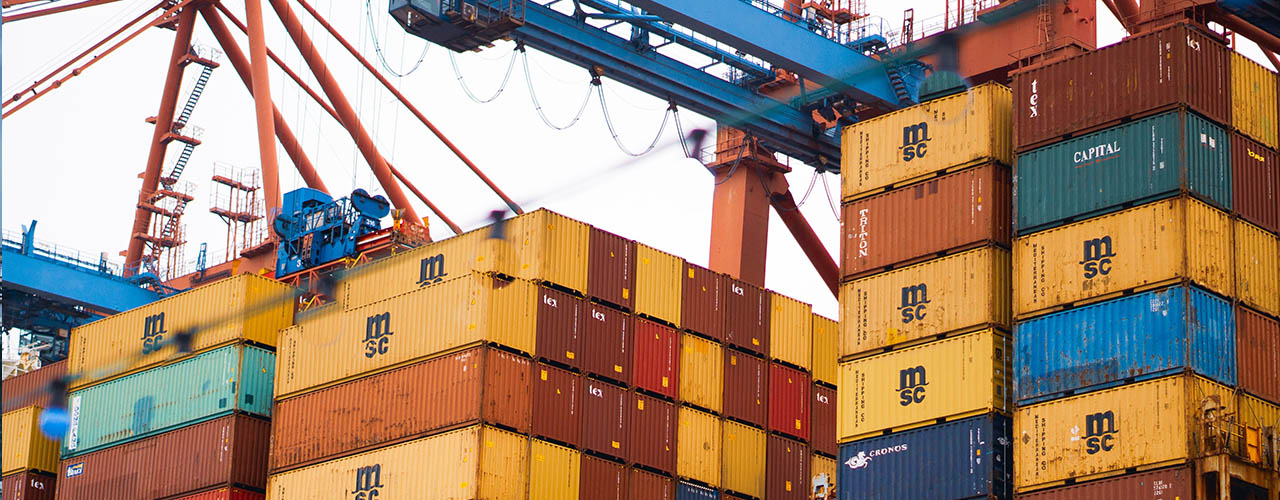
Acting as logistical centers, ports receive, inspect, and prepare cargoes for onward shipment. They provide necessary facilities for the loading and unloading of ships, along with temporary storage capabilities for goods. Moreover, ports offer vital infrastructure such as docks, cranes, and container yards, which enable the smooth and uninterrupted flow of goods in and out of the country.
B. Examination of Major Ports in China and the USA
China and the United States host several major ports that play a pivotal role in international trade. In China, ports like Shanghai, Shenzhen, and Ningbo-Zhoushan rank among the busiest globally. These ports are equipped with cutting-edge facilities and handle substantial cargo volumes, positioning them as crucial hubs within the global supply chain.
Similarly, the United States boasts prominent ports such as Los Angeles, Long Beach, and New York. These ports serve as vital entry points for goods arriving from China and handle a significant share of the country’s imports. Leveraging their well-established infrastructure, efficient operations, and extensive connectivity, these ports ensure the seamless flow of goods into the United States.
C. Overview of Customs Procedures and Documentation Requirements
Customs procedures and documentation requirements play a crucial role in ensuring compliance and facilitating the seamless flow of goods through ports. The customs authority is responsible for enforcing import and export regulations, which encompass duties, tariffs, and security standards.
Upon arrival at a port, goods undergo a customs clearance process to verify their adherence to legal requirements. This involves a thorough examination of documents, cargo inspections, and the assessment of applicable duties and taxes.
Proper documentation, including commercial invoices, bills of lading, and customs declarations, is of utmost importance to facilitate a smooth customs clearance process.
It’s worth noting that customs procedures can vary from country to country and may be subject to change due to trade agreements, security considerations, and regulatory updates. Trucking companies must stay informed about customs regulations and ensure the maintenance of accurate and comprehensive documentation to enable the seamless movement of goods across borders.

V. Supply Chain Management
“Tracing the journey of goods from China to the USA reveals the immense complexities and opportunities that lie within the global supply chain.” – Angela Ahrendts, Former Senior Vice President of Retail at Apple Inc.
A. Overview of Supply Chain Management Practices
Supply chain management is a strategic approach that focuses on coordinating and integrating the different activities involved in the production, transportation, and distribution of goods. Its primary objective is to optimize the smooth flow of products, information, and finances throughout the entire supply chain, from suppliers to manufacturers, retailers, and ultimately to end consumers.
To achieve effective supply chain management, careful planning, efficient execution, and continuous monitoring are essential. It encompasses crucial activities such as purchasing, production, inventory management, transportation, and customer service. By optimizing these processes and fostering collaboration among stakeholders, supply chain management enhances efficiency, lowers costs, and enhances customer satisfaction.
B. Challenges and Considerations in Managing the Movement of Goods
Managing the movement of goods within a complex supply chain presents various challenges and considerations. Some common challenges include:
- Demand volatility: Fluctuating consumer demand can lead to imbalances in inventory and disruptions in the supply chain. Supply chain managers must employ demand forecasting techniques and flexible planning strategies to effectively respond to market changes.
- Global complexity: Supply chains often extend across multiple countries, each with its own regulations, customs procedures, and transportation modes. Successfully navigating these complexities requires a deep understanding of international trade rules and the ability to adapt to cultural and logistical differences.
- Inventory optimization: Maintaining the right balance of inventory is crucial to prevent overstocking or understocking. Supply chain managers should strive to optimize inventory levels by implementing effective practices such as just-in-time (JIT) inventory and lean manufacturing principles.
- Supply chain control: Gaining comprehensive visibility of the entire supply chain is essential for making timely decisions and proactively resolving issues. Advanced technologies like data analytics and supply chain monitoring systems enable real-time tracking and monitoring of goods throughout their journey.
C. Role of Technology in Optimising Supply Chain Efficiency
Technology plays a vital role in enhancing the efficiency and effectiveness of supply chain management. Several technological advancements have transformed the field, including:
- Supply chain software: Advanced software systems, such as enterprise resource planning (ERP) and supply chain management (SCM) solutions, streamline coordination, integrate data, and automate processes throughout the supply chain.
- Internet of Things (IoT): IoT devices like sensors and RFID tags provide real-time data on product location, status, and performance. This enhances visibility, traceability, and enables predictive analytics in supply chain operations.
- Artificial Intelligence (AI) and Machine Learning (ML): AI and ML technologies offer valuable insights and capabilities for demand forecasting, inventory optimization, route optimization, and risk management. These technologies enhance decision-making and enable proactive supply chain management.
- Blockchain: Blockchain technology provides a secure and transparent platform for recording and verifying supply chain transactions. It enhances trust, traceability, and transparency, particularly in areas like product authentication and regulatory compliance.
By leveraging these technologies, supply chain managers can optimise operations, enhance accuracy, reduce costs, and ultimately improve the overall performance of the supply chain.

VI. Last-Mile Delivery and Distribution
“The intricate logistics of shipping goods across borders is a testament to the power of international cooperation and the potential for economic prosperity.” – Justin Trudeau, Prime Minister of Canada
A. Challenges and Strategies in Last-Mile Delivery
Last-mile delivery, the final leg of the supply chain, is a pivotal stage where products reach customers’ doorsteps from distribution centres or local warehouses. This phase is crucial for meeting customer expectations and often presents intricate challenges and higher costs in the delivery process.
- Urban Congestion: Navigating through congested urban areas poses significant hurdles in last-mile delivery. Traffic congestion, limited parking options, and restricted access to certain locations can lead to delays and inefficiencies. To address these challenges, companies employ various strategies like optimising delivery routes, utilising alternative modes of transportation such as bicycles and electric vehicles, and leveraging advanced mapping and route optimization technologies.
- Time Sensitivity: With the rise of e-commerce and the increasing demand for prompt delivery, time sensitivity has become a pivotal factor in last-mile logistics. Customers now anticipate shorter delivery times and real-time tracking of their orders. To meet these expectations, companies invest in advanced tracking systems, real-time notifications, and dynamic delivery scheduling to ensure punctual and accurate delivery.
- Delivery Flexibility: Offering flexible delivery options is essential to accommodate customer preferences and busy schedules. Strategies such as providing multiple delivery time slots, alternative delivery locations like lockers or drop-off points, and the flexibility to reschedule or redirect deliveries contribute to enhanced customer convenience and satisfaction.
B. Overview of Distribution Networks and Fulfilment Centres
Distribution networks and fulfilment centres are vital for successful last-mile delivery, aiming to enhance efficiency and customer satisfaction. Companies establish distribution networks comprising fulfilment centres, warehouses, and local pickup locations strategically positioned to reduce transportation time and optimise inventory management.
- Fulfilment Centres: Order fulfilment centres serve as large facilities where orders are received, processed, and packaged for shipment. They act as centralised hubs for inventory stocking, order picking, and packing. Leveraging advanced automation technology, including robotics and conveyor systems, these centres enhance the accuracy, speed, and efficiency of order fulfilment.
- Local Distribution Centers: To minimise last-mile delivery distances and improve responsiveness, companies often establish local distribution centres or micro-fill centres in proximity to urban areas. These smaller facilities enable expedited order processing and offer same-day or next-day delivery services.
C. Role of E-commerce in Transforming Last-Mile Delivery
The exponential growth of e-commerce has had a profound impact on last-mile delivery practices. To adapt to evolving customer expectations, online retailers and marketplaces have introduced innovative delivery and collaboration models.
- On-Demand Delivery: The rise of on-demand delivery services, facilitated by mobile apps and platforms, has transformed the last mile. Customers now have the option to order items with instant delivery, often receiving their purchases within a few hours. This trend has given rise to delivery service providers and gig economy platforms that leverage independent drivers to fulfil these on-demand requests.
- Shared Delivery Models: Shared delivery models, including crowdsourced delivery and peer-to-peer networks, are gaining popularity. These models connect individuals or businesses with existing delivery capabilities to customers in need of parcel delivery. By optimising delivery routes and utilising available resources, collaborative delivery models help reduce costs and enhance delivery efficiency.

VII. Environmental Considerations
“We have a moral obligation to preserve and protect the environment. By prioritizing environmental considerations in cargo transportation, we can create a more sustainable and resilient world.” – Ban Ki-moon, Former Secretary-General of the United Nations
A. Discussion on the Environmental Impact of Cargo Transportation
Shipping goods between China and the U.S. has significant environmental implications, emphasising the need for sustainable practices. It is crucial to comprehend and address these environmental impacts to minimise carbon emissions and promote environmental responsibility within the shipping industry.
- Greenhouse Gas Emissions: The transportation of cargo involves burning fossil fuels, leading to the release of greenhouse gases like carbon dioxide (CO2), methane (CH4), and nitrous oxide (N2O). These emissions contribute to climate change and air pollution. To reduce greenhouse gas emissions, strategies include adopting cleaner alternative fuels, optimising logistics operations to minimise empty trips and inefficient routes, and promoting the use of energy-efficient transportation modes.
- Air Pollution: Trucking, particularly air transportation, can cause air pollution through the emission of pollutants such as sulphur dioxide (SO2), nitrogen oxides (NOx), and particulate matter (PM). These pollutants have detrimental effects on air quality and human health. Implementing emission control technologies, enforcing more stringent emission standards, and encouraging the use of cleaner fuels can help mitigate air pollution associated with trucking.
B. Efforts and Initiatives for Sustainable Practices
- Alternative fuels and energy-efficient technologies: Embracing alternative fuels like liquefied natural gas (LNG), biofuels, and electricity helps lower greenhouse gas emissions and atmospheric pollutants. Furthermore, the advancement of energy-efficient technologies, such as hybrid and electric vehicles, contributes to greener transportation practices.
- Collaboration and industry partnerships: Key players in the trucking industry, including manufacturers, logistics service providers, and policymakers, are increasingly coming together to drive sustainable development. Collaborative initiatives and partnerships are formed to exchange best practices, develop eco-friendly technologies, and establish industry-wide sustainability standards.
- Green Supply Chain Management: Integrating sustainability into supply chain management is essential for minimizing environmental impact. This involves evaluating suppliers’ environmental performance, optimizing packaging materials to reduce waste, implementing reverse logistics for product returns and recycling, and promoting circular economy principles.
C. Emerging Trends in Eco-Friendly Transportation Options
Innovative and eco-friendly transportation options are emerging to mitigate the environmental impact of trucking.
- Intermodal Transportation: Intermodal transportation integrates various modes like rail, road, and sea to maximize efficiency and minimize emissions. By utilizing the strengths of each mode, intermodal transportation presents a greener alternative for long-distance hauling.
- Green Packaging Solutions: Employing environmentally friendly packaging materials, such as biodegradable or recyclable options, helps reduce waste and minimize ecological consequences. Companies are exploring inventive packaging designs that prioritize product protection while considering sustainability.
- Last-Mile Delivery Optimization: Enhancing last-mile delivery through route optimization algorithms, delivery bundling, and utilizing electric vehicles or bicycles can significantly decrease emissions during the final stage of transportation.

VIII. Challenges and Future Outlook
“Understanding the intricacies of cargo transportation from manufacturing hubs to consumers is essential for building sustainable, customer-centric supply chains in the modern global economy.” – Ginni Rometty, Former CEO of IBM
A. Key Challenges in Cargo Transportation from China to the USA
China-U.S. freight traffic has experienced substantial growth and transformation, but it also confronts several challenges that demand proactive solutions.
- Infrastructure capacity: The increasing volume of transported goods necessitates dependable infrastructure, including ports, roads, railroads, and airports. Strains on existing infrastructure can result in congestion, delays, and inefficiencies. Investments in infrastructure and capacity expansion are crucial to meet the escalating demands of freight transportation.
- Supply chain disruptions: Global supply chain disruptions, such as natural disasters, geopolitical conflicts, and pandemics, pose significant challenges for trucking. These disruptions can cause delays, disrupted trade routes, and increased costs. Enhancing supply chain resilience through diversification, contingency planning, and risk management strategies is essential to mitigate the impact of such disruptions.
- Customs and regulatory compliance: Adhering to customs requirements, navigating the regulatory landscape, and ensuring trade compliance present challenges in goods transportation. Variations in customs procedures, documentation requirements, and regulatory standards between China and the United States can lead to difficulties and delays. Streamlining and harmonising customs processes while promoting greater transparency can help address these issues.
B. Anticipated Trends and Developments in the Industry
The future of the China-U.S. trucking industry holds promising growth and innovation, driven by several key trends and developments.
- Technological advancements: The adoption of cutting-edge technologies, including artificial intelligence, blockchain, and the Internet of Things (IoT), will revolutionise the trucking sector. These technologies will enable real-time tracking of cargo, enhance route planning, improve operational efficiency, and facilitate seamless communication within the supply chain.
- Sustainability and eco-friendly initiatives: The industry’s commitment to sustainability will continue to gain momentum, spurred by environmental concerns and evolving consumer expectations. There will be an increasing emphasis on adopting green practices, reducing emissions, and embracing renewable energy sources. Companies that prioritise sustainability will gain a competitive edge in the market.
- Expansion of e-commerce: The ongoing expansion of e-commerce, driven by consumer preferences and advancements in digital technology, will shape the industry’s future. This growth will result in a greater demand for efficient last-mile delivery solutions, the establishment of fulfilment centres, and the seamless integration of online platforms with transportation networks.
C. Opportunities for Innovation and Growth
The trucking industry, despite its challenges, presents numerous opportunities for innovation and growth.
- Collaboration and partnerships: By fostering collaboration among manufacturers, logistics service providers, government agencies, and technology companies, the industry can drive innovation and overcome shared challenges. Strategic partnerships that leverage the strengths and expertise of each party can lead to more streamlined processes, enhanced visibility across the supply chain, and an improved customer experience.
- Digitalization and automation: Embracing digital technology and automation can revolutionise operations, resulting in cost reduction and increased efficiency. Implementing advanced systems for inventory management, order tracking, and documentation will enable faster and more accurate shipping processes.
- Customer-centric approaches: Adapting to evolving customer expectations is crucial. Taking a personalised approach, offering flexible delivery options, and enhancing customer service will differentiate companies in the competitive marketplace, leading to greater customer satisfaction and loyalty.
IX. Conclusion
Tracing the journey of goods from China to the United States offers valuable insights into the intricate processes, challenges, and transformations impacting international trade. From manufacturing hubs in China to the final stages of last-mile delivery and distribution networks, each step is crucial in maintaining a seamless flow of goods.
In summary, comprehending the route of goods during shipping between China and the United States holds significant importance for businesses, consumers, and policymakers. By addressing challenges, capitalising on opportunities, and continuously enhancing processes, we can foster an efficient, sustainable, and customer-focused approach to global trade. This will ensure the uninterrupted movement of goods from production centres to customers worldwide.